

How Therapy is a Gift to Ourselves
When we think of our everyday lives, we think of some combination of alarm, work, meal prep, shower, kids, pickup, phone time, sleep, and do it all over again. It can be difficult, or for many impossible, to set aside time for ourselves in this capitalistic grind, let alone contemplate who we are, our relationships, and what this life can offer us. In many cases, our lives come down to obligation and maybe some rest.
If privileged enough to access it, therapy can be a gift to ourselves– a small but hefty slice of care and autonomy we can give back to us in this cycle of life that rarely centers our humanity.
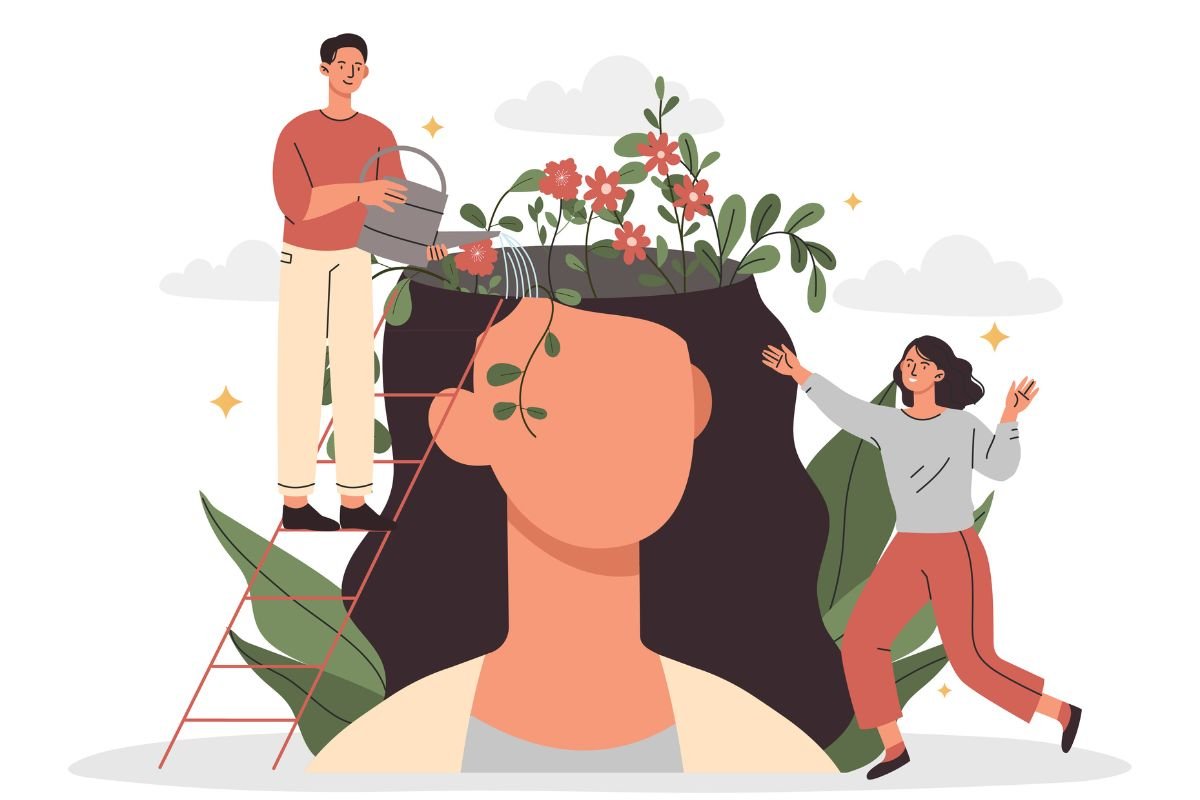
Capitalism inherently takes away our autonomy. We become bodies, workers, disattached from our humanity, which also means being disattached from our awareness. Something that therapy allows us is unadulterated time in our schedules to build our awareness and be present. Even if we talk about stories from our past, or the many paths the future can take, therapy asks us to bring attention to how we feel about these things. In our cyclical lives, we often have to put awareness aside and do. By having this hour of therapy penciled in, we can push the part of ourselves that was taught to always do to the side, and just be in the present moment. No expectation, coming into the space just as you are.
Well what’s so good about being present? Presentness allows us to ask ourselves important questions: is this what I really want? How are these patterns affecting me and my community? Do I desire change? There is a fact that is always present in our lives: we didn’t choose to be a facet of the system. This capitalistic system has thrown us into a cycle of productivity, leaving little time for anything else. Contemplating what we desire helps us pause this cycle for a moment and look deeper into what changes we may want. Do I want to continue down this job or career path, or is there something else more fitting for me out there? Do I want to continue my relationship this way or do I want a better way to connect and communicate? Am I okay with how things in my neighborhood are running, or can I be a voice for change in my community? Whatever you are contemplating and no matter the answer, therapy gives us the space to pause and reflect on our lives and the systems we live in, with the proper guidance and safety through our therapists.
A therapist is someone we can confide in. We may find ourselves in positions where we don’t know who to turn to in our lives. Your therapist is someone you can tell anything to (although easier said than done, I know). But something to keep in mind in therapy is that your therapist is trained in seeing the bigger picture. We know that everyone is human and there are reasons for the choices we make and actions we take. Our focus is your well-being, and we as therapists are there to act as a “third party”, non-judgemental person in your life who can reflect back to you what they see objectively. Your therapist is not your friend, nor an authority figure, but rather someone who holds up a mirror for you, helping you see things you may not be able to on your own.
Free association is a technique used in therapy where the client is asked to talk freely, verbalizing their stream of consciousness to the therapist, while the therapist helps bring attention to unconscious patterns in the client’s thinking. Although only some therapists from certain schools of thought use this technique, the idea that your therapy sessions can be used in any way you please is relevant to any type of therapy. Even just being able to get thoughts out can be so relieving and beneficial for our mental health. Our brains are arguably more overstimulated nowadays than ever before. Simply using the therapy space to take those thoughts that are always circulating in our minds and to verbalize them can often lighten the load on its own. To make these pieces of ideas tangible through words naturally forms them into complete thoughts, helping us to process the feelings attached to them.
Therapy is not meant to take the place of community, nor be a fix-all. Rather, therapy can be a unique dimension of care we give to ourselves, strengthening our awareness of the self, our relationships, and how we move through the world. It can help us realize our potential to be even better community members and nourish our natural resilience in the face of our deeply complex lives.